BioBoost
Transforming waste into power
What it set out to do
BioBoost transforms the Caribbean's sargassum seaweed waste into reliable, carbon-neutral energy using pyrolysis, reducing dependence on costly fossil fuel imports.
I visited Tulum in 2022 and saw firsthand how sargassum devastates communities and tourism. We first explored the issue in 2.009, but the challenge was too complex for a single-semester project, so we pursued it through DesignX and PKG IDEAS.
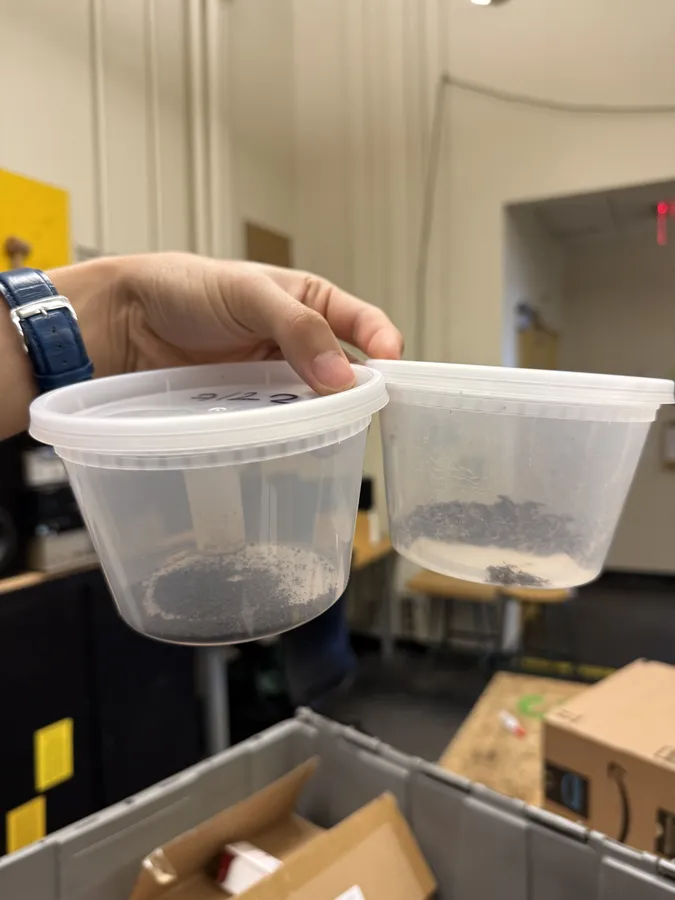
Caribbean nations face unreliable power access, and much of the sargassum that startups collect still ends up in landfills. The first pitch, in December 2024, was an all-in-one machine that takes in biomass and turns it into biomethane for homes. After evaluating multiple fuel production methods, we selected pyrolysis for its fuel quality and its byproducts: bio-oil, syngas and biochar, with biochar for carbon sequestration, construction or agriculture.
Barbados was the first market, with its commitment to achieving 100% renewable energy and carbon-neutral status by 2030. Our community partner there was Rum&Sargassum, a Barbados-based startup that uses sargassum and other waste to produce biogas.
The pitch
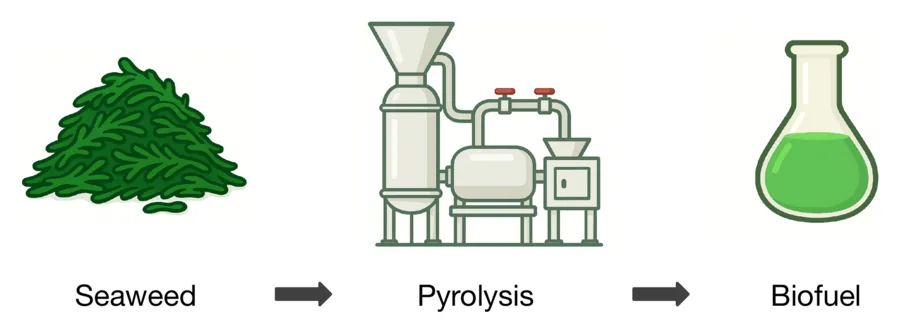
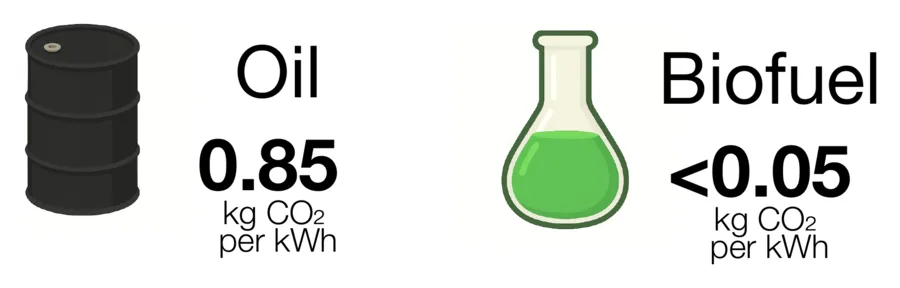
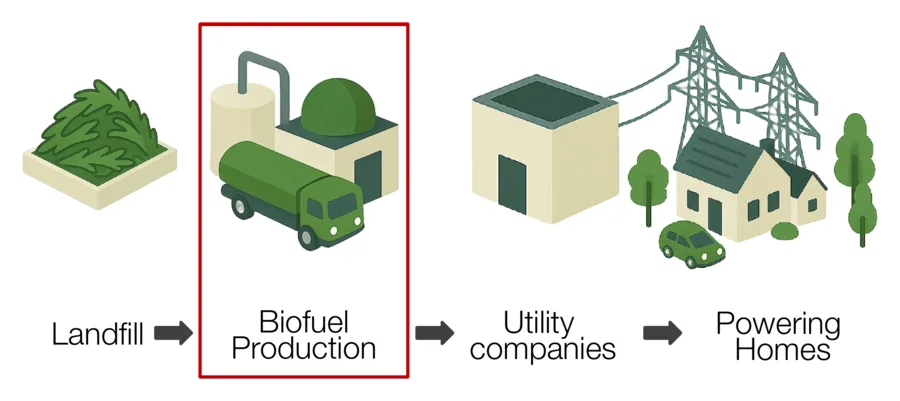
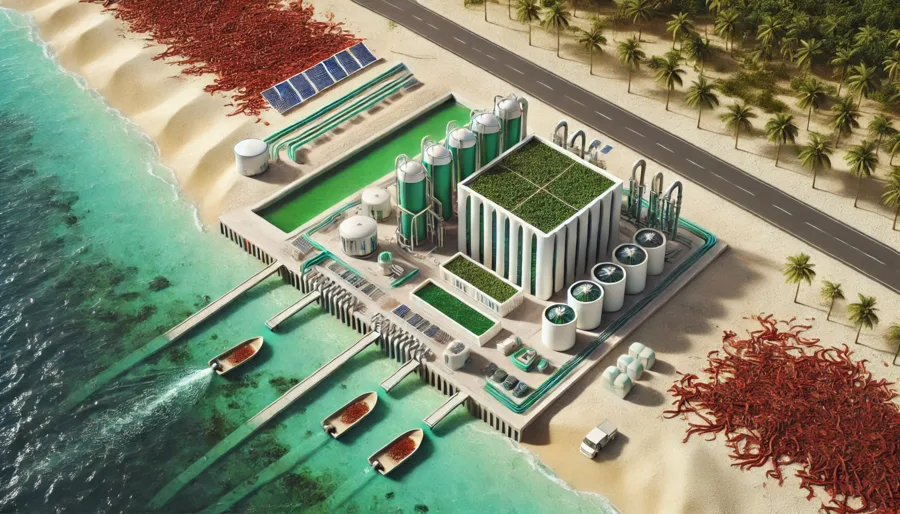
What was made
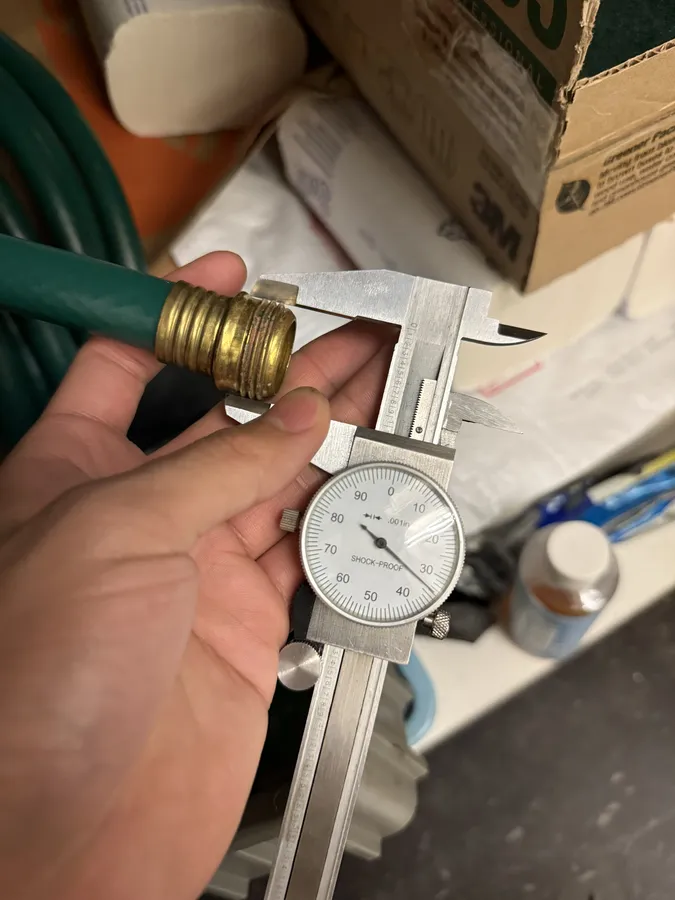
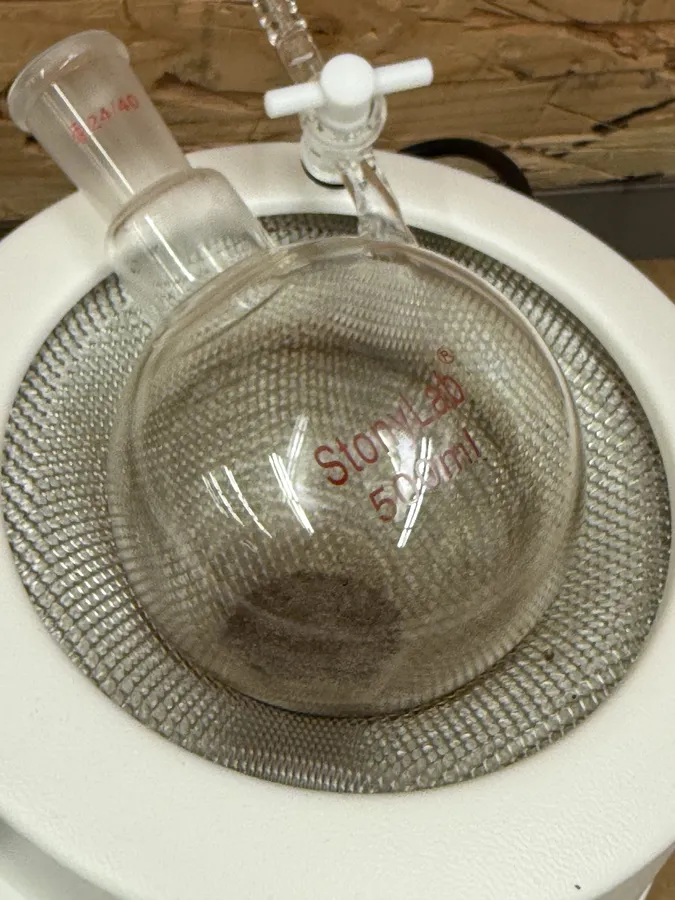
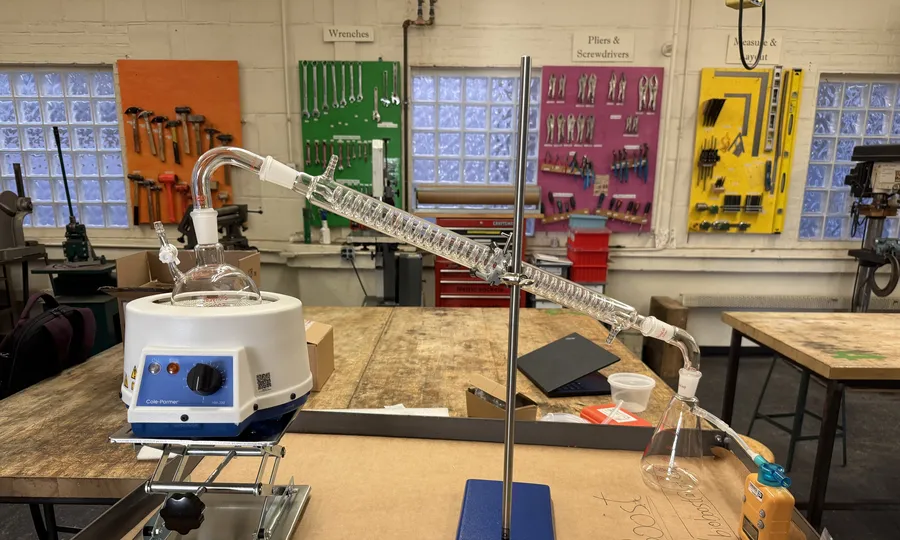
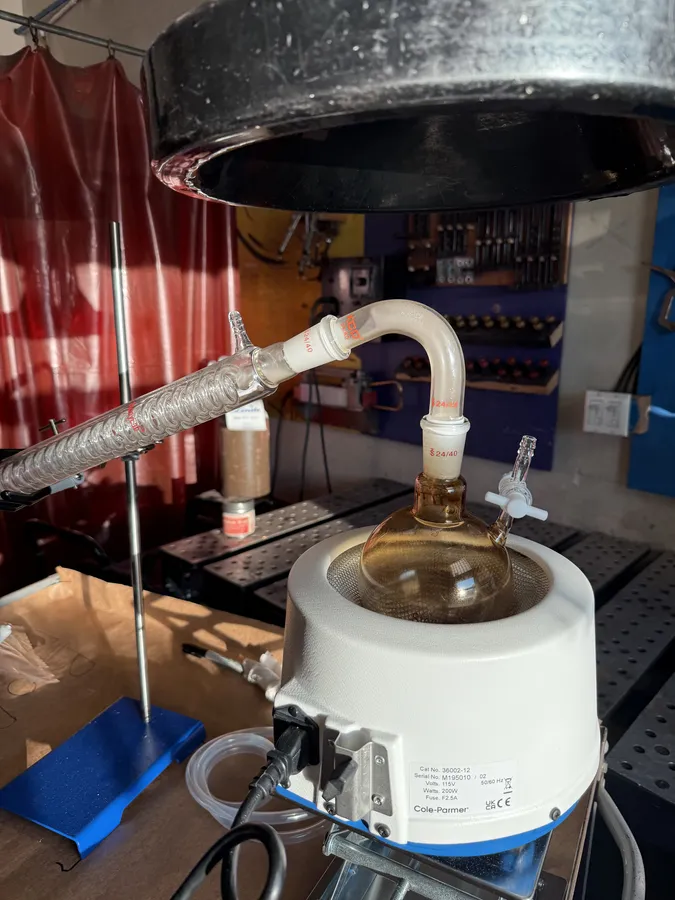
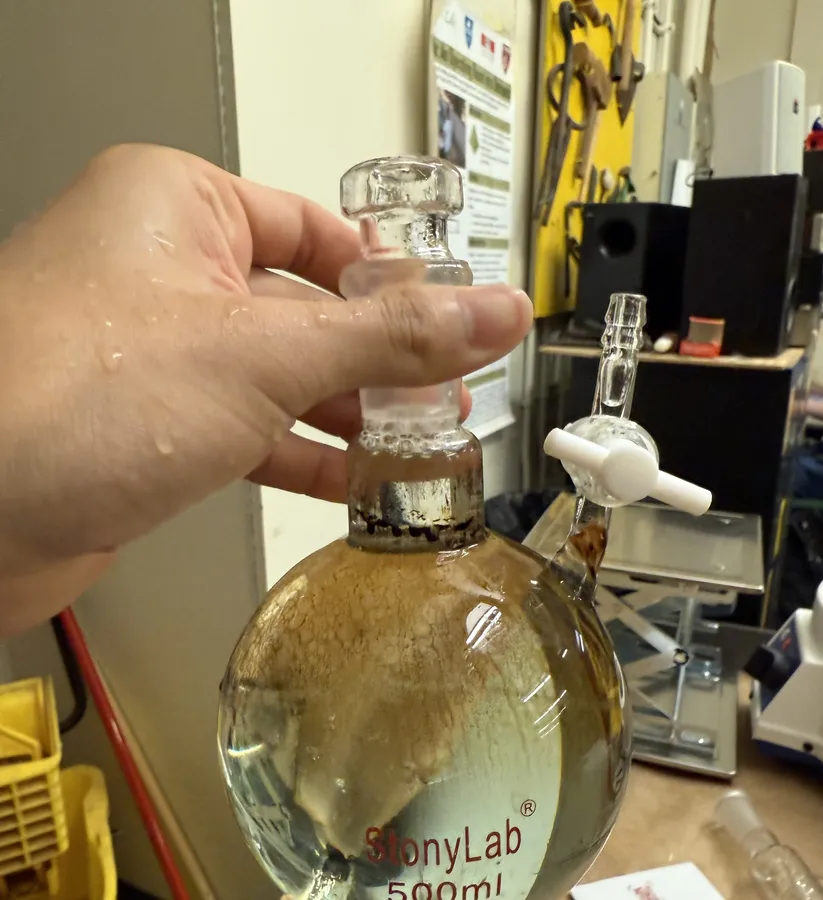
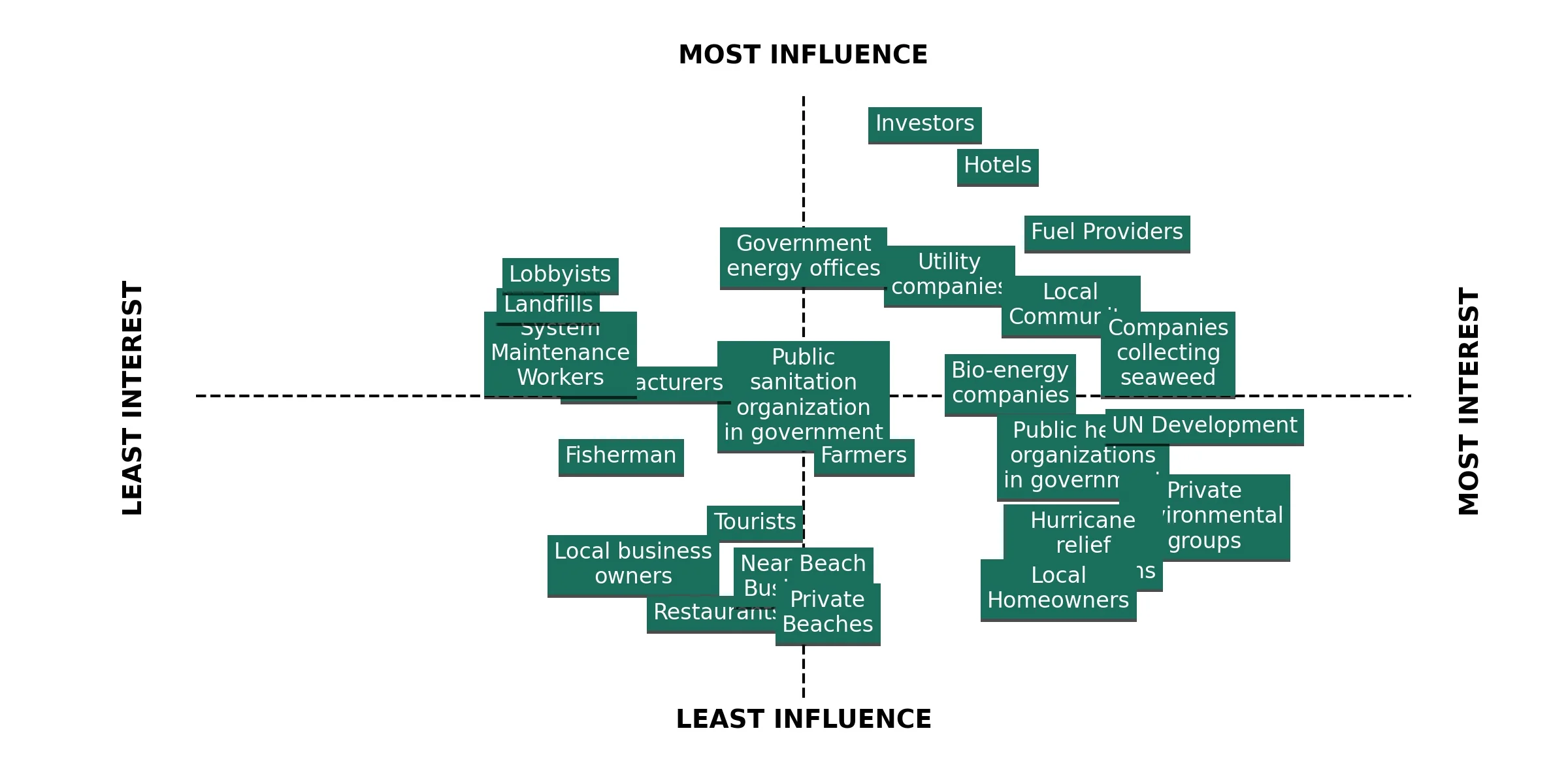
In July 2025 we assembled and ran a bench pyrolysis setup: a heating mantle holding a round-bottom flask, a glass condenser on a ring stand cooled by a garden hose adapted with brass fittings, and a receiving flask. Around it: pitch decks, a life-cycle and techno-economic analysis for Barbados, and a map of 25 stakeholder groups by influence and interest.
What happened
One big thing is we didn't have enough resources in lab supplies: we couldn't test the composition of the thing we made, with no special machine and no actual big fume hood. My materials science friend said FTIR (infrared spectroscopy) was the special machine we could try to analyze it with. We also tried contacting a lot of the labs on campus, and none of them let us do this for some reason; I think mainly the smell, the size of the setup, and its use of inert gas and water. We worked out of the welding room, and the smell was so bad. When we got to the testing we didn't have chemistry or PhD expertise; I was asking people, but mainly we had no resources, and a chemistry PhD would have had these supplies and lab space. I think it ended up being the wrong timing for me with my master's, and for everyone else, who also had new full-time things to do.
The others all continued school to finish their degrees. Two started their master's and PhD in mechanical engineering and chemical engineering, and another was finishing his bachelor's in mechanical engineering and had to find a full-time job. It ended up not being that interesting to them anymore, and it was outside their expertise. At first we thought about building a generator, but as we pivoted based on research and learning more, it just got less interesting for them.
What I learned
The modeling stuff was really cool, but ultimately it became about whether this would be profitable, with enough energy output versus input, and economically viable. So it's more time, maybe years, in R&D in deep tech. Before, I didn't know anything about startup work, especially raising. I juggled this with studying abroad and with the arts startup incubator for Be the Beat, and it was just difficult.